


RECENTLY UPDATED PROPERTIES
.
-
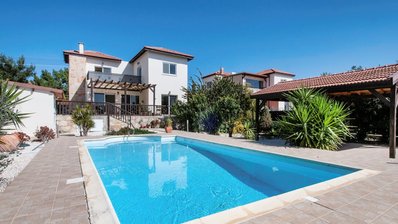
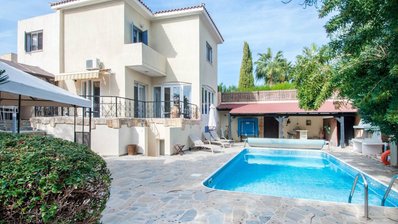
Ref. 2340 Souni Spacious Villa close to Limassol
Price:€598,000 -
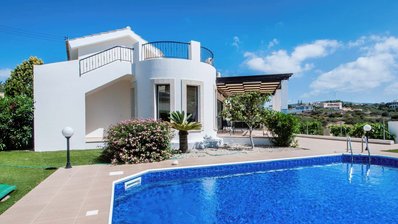
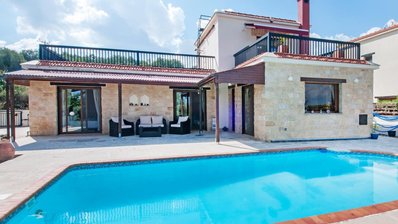
Ref. 2350 Secret Valley Prestige Bungalow
Price:€525,000 -
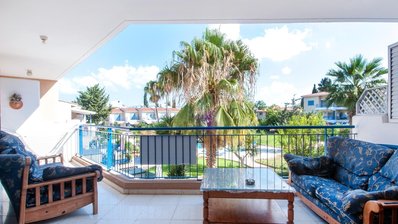
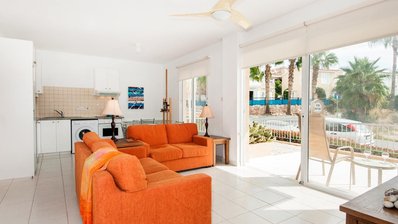
Ref. 2331 Kato Paphos Paradise Apartment
Price:€225,000 -
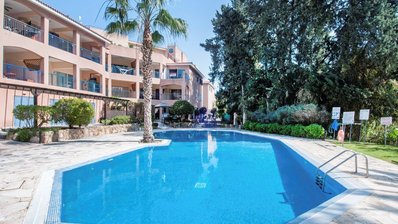
Ref. 2343 Paradise Gardens Apartment with Lift
Price:€228,000 -
Ref. 2332 Chloraka Close To The Sea 4-bedroom Villa
Price:€499,000 -
Ref. 2335 Peyia Springs Ground Floor Apartment
Price:€120,000 -
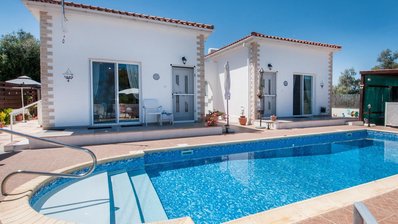
Ref. 2215 Argaka BUNGALOWs 1+2 Beds = 4 Beds
Price:€336,000 -
Ref. 2330 Stroumbi Countryside Villa
Price:€385,000 -
Ref. 2337 NEW Chloraka Seaview Modern Apartment with DEEDS
Price:€265,000 -
Ref. 2339 Koili Village House
Price:€89,000 -
Ref. 2338 NEW Chloraka Panorama Apartment with DEEDS
Price:€250,000 -
Ref. 2341 Chloraka Panorama Townhouse
Price:€160,000
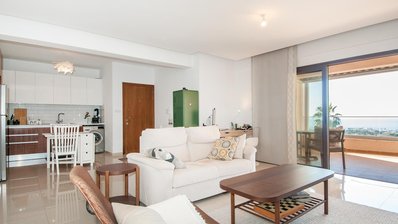
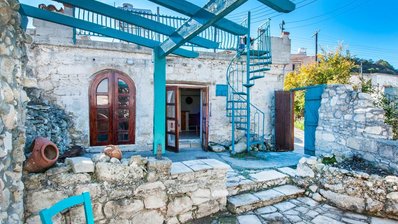
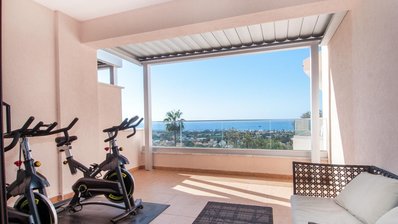
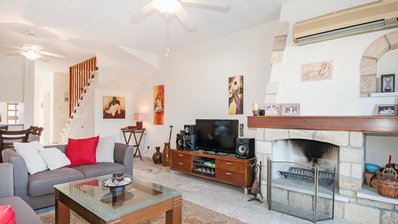
BUY OR SELL
YOUR CYPRUS PROPERTY
Fitzgerald’s – Market Leaders in Resale Cyprus Property Market
Buy Prestige Cyprus property and enjoy luxury Mediterranean lifestyle at its best.
Benefit from Selling your property while keeping your peace of mind.
Fitzgerald Prestige Auctions is a property marketplace listing properties that are available to buy across Cyprus.
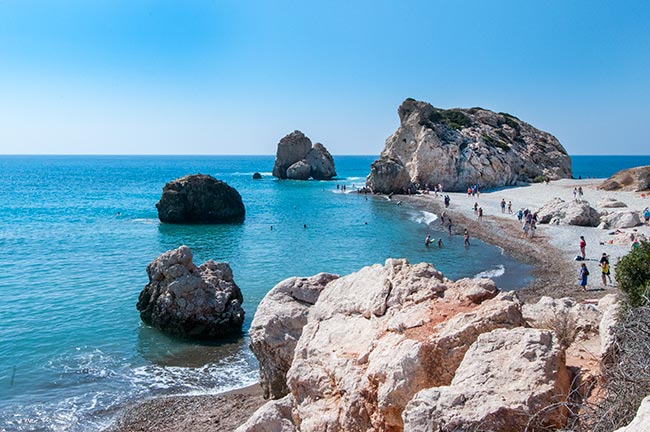
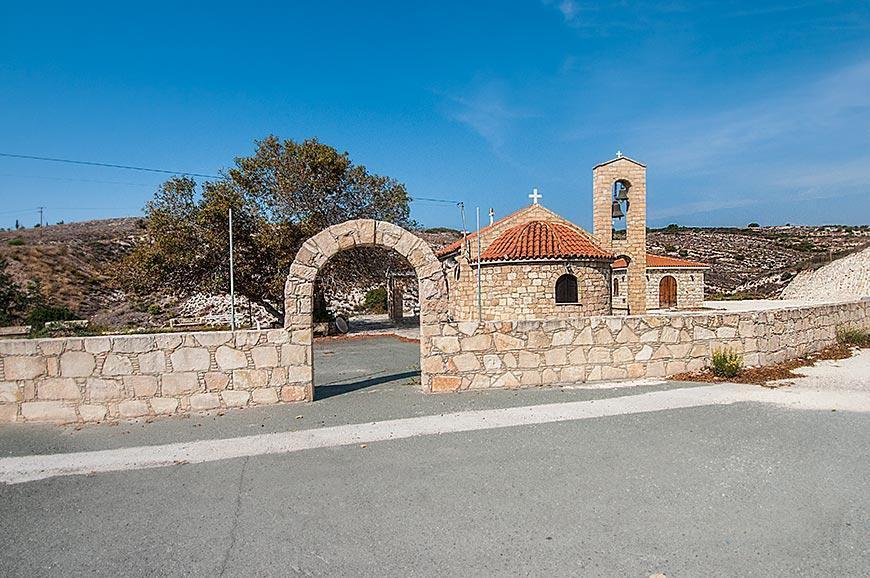
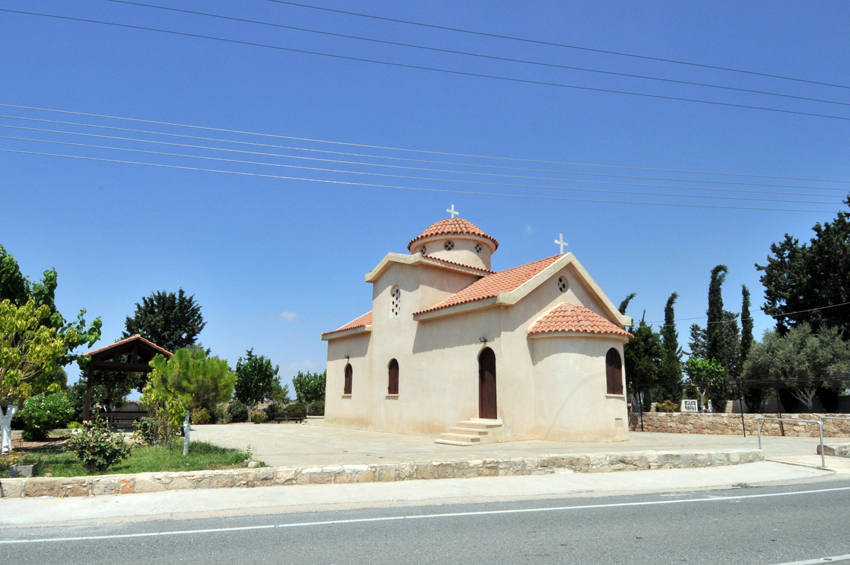
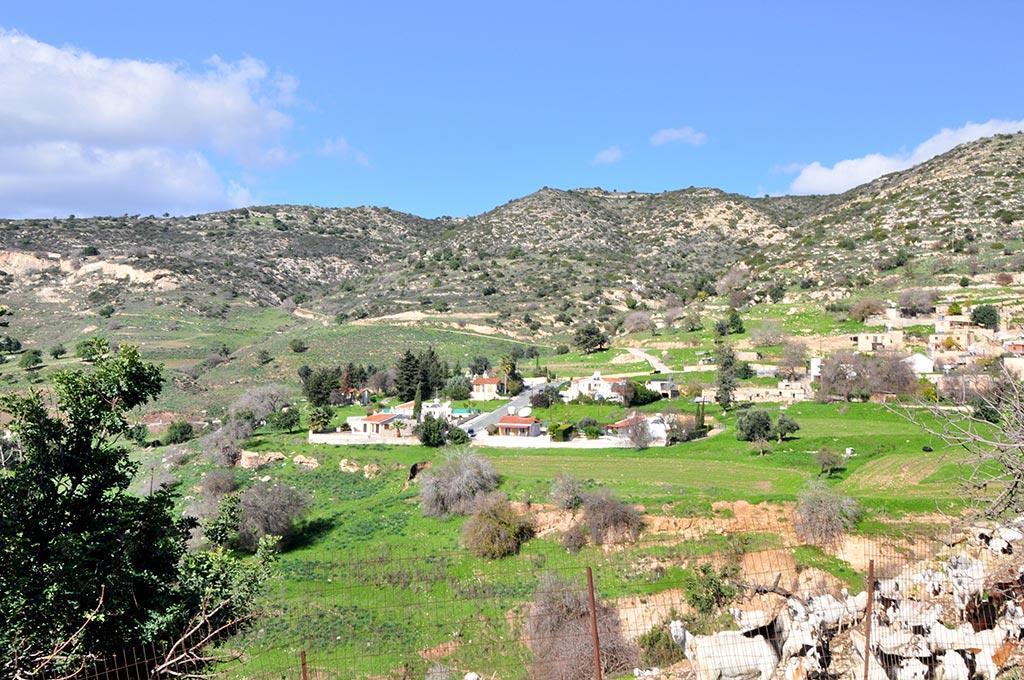
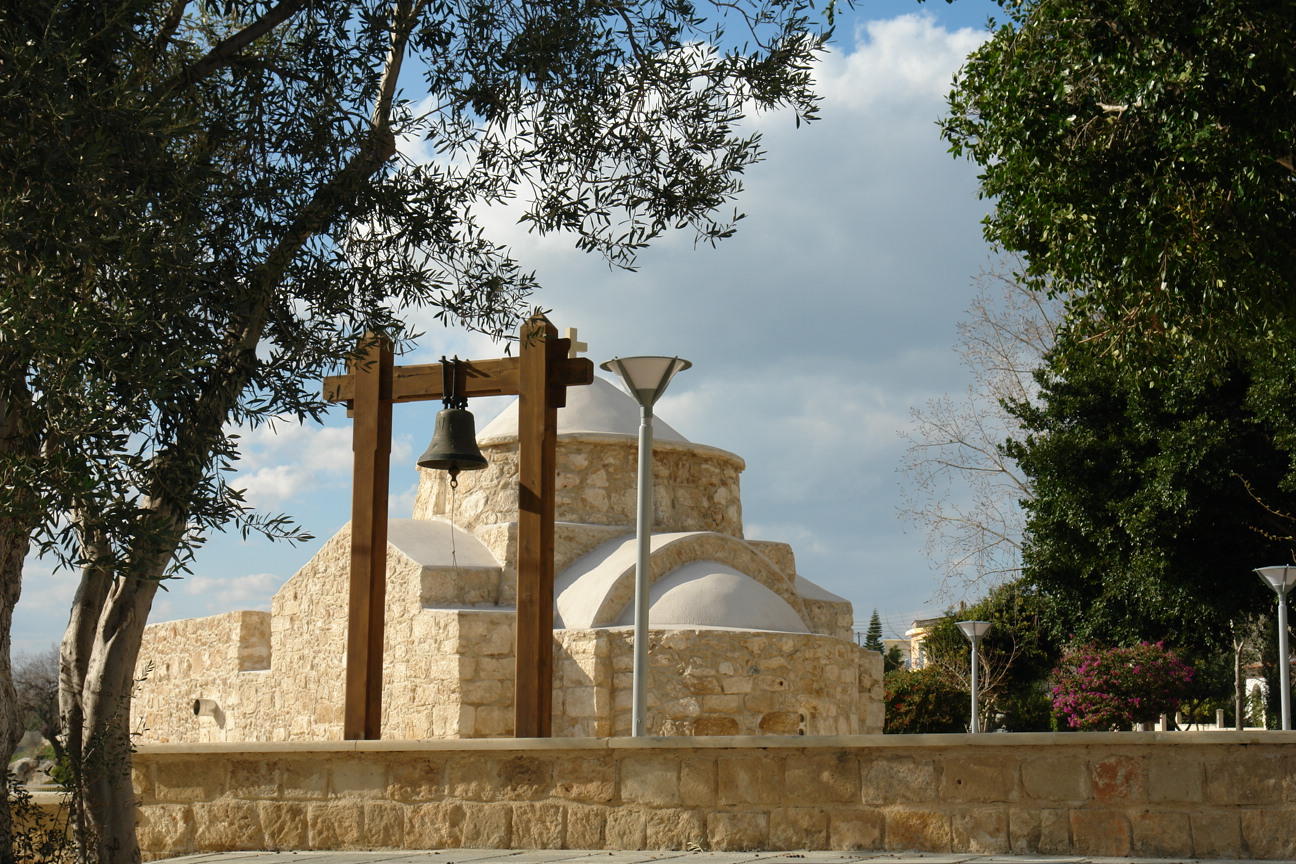
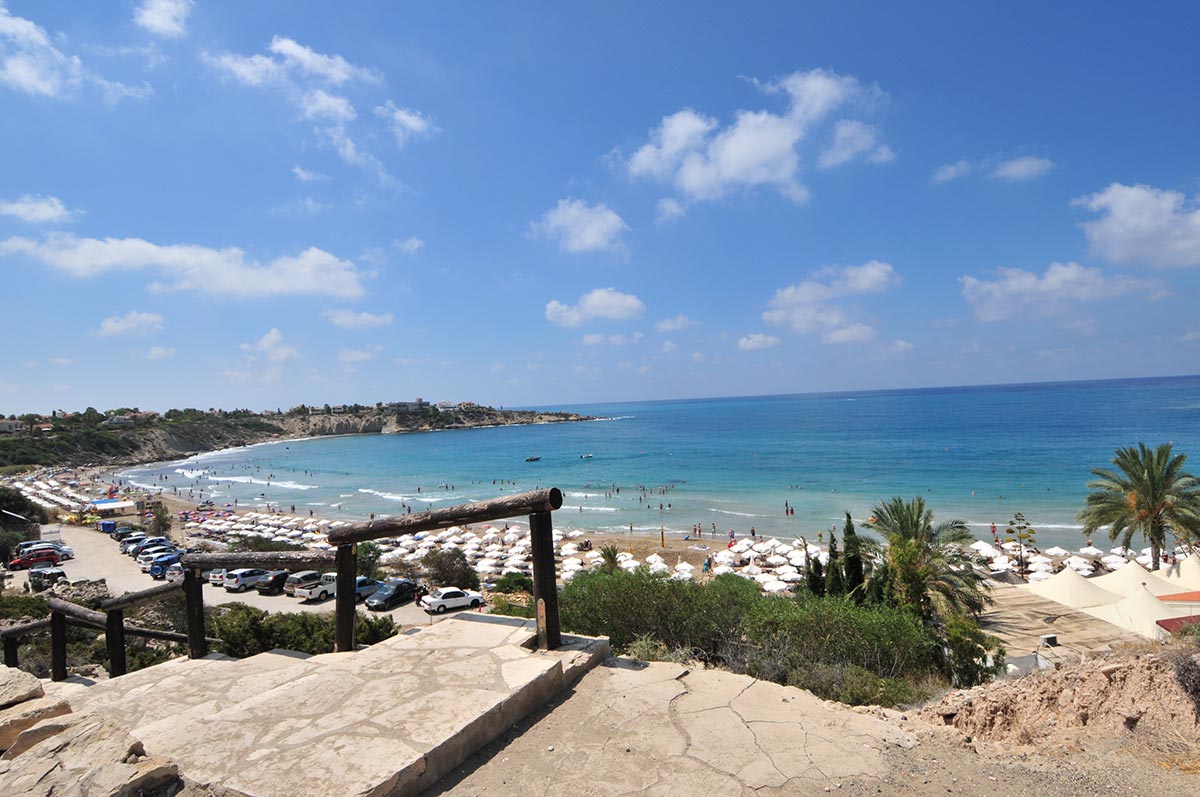
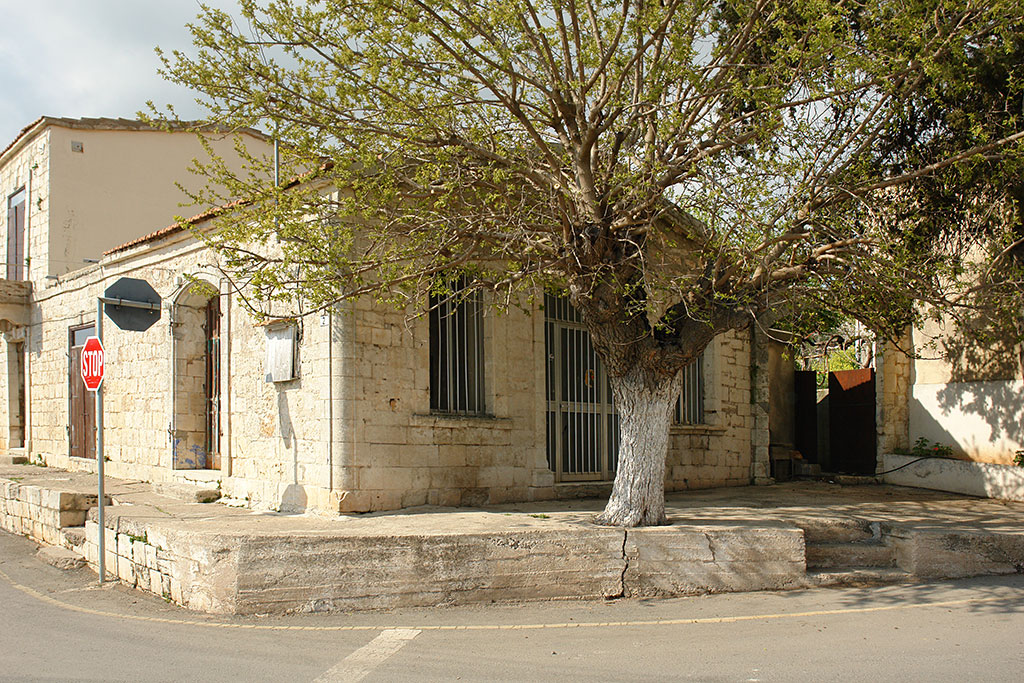
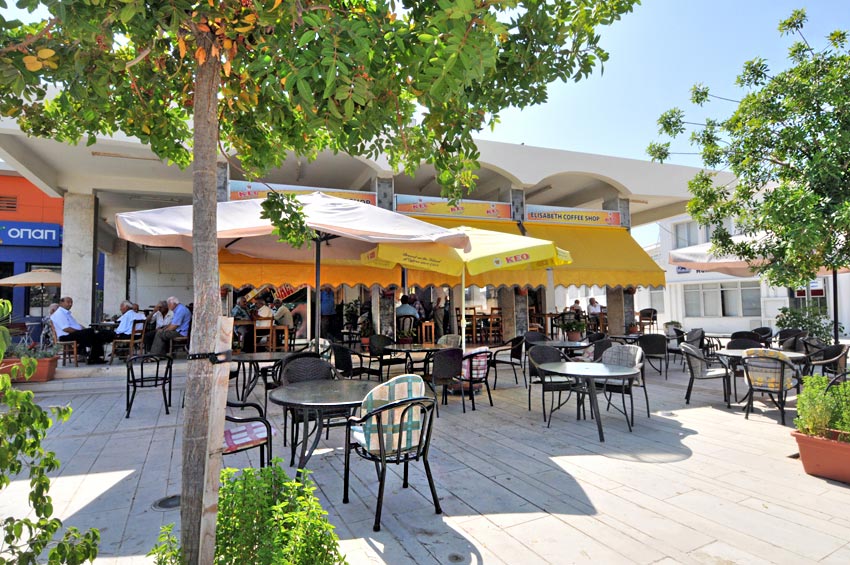
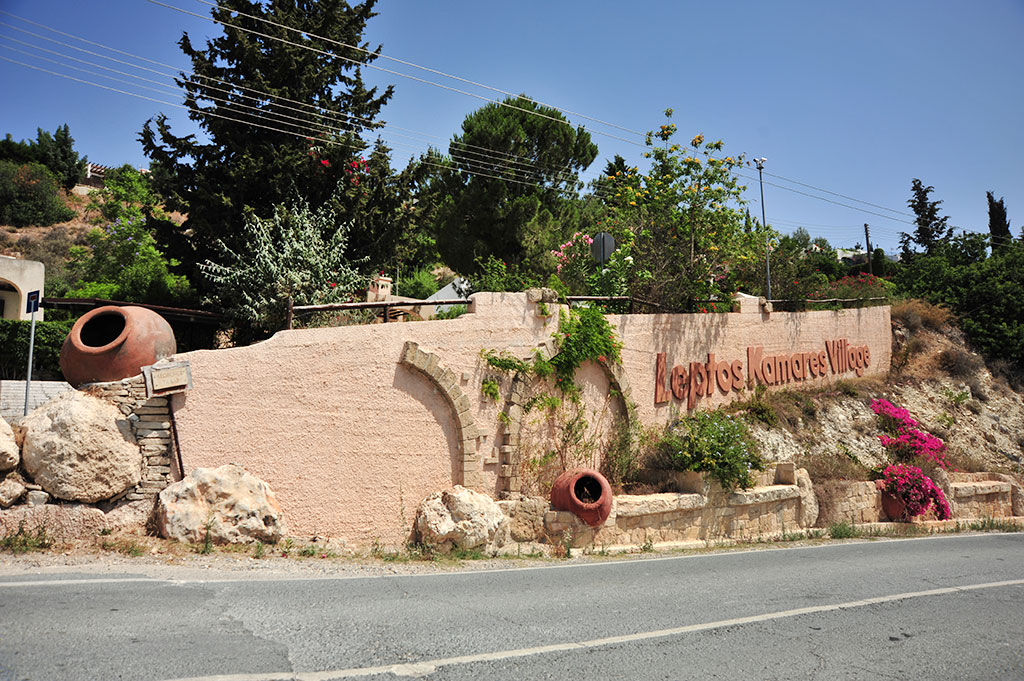
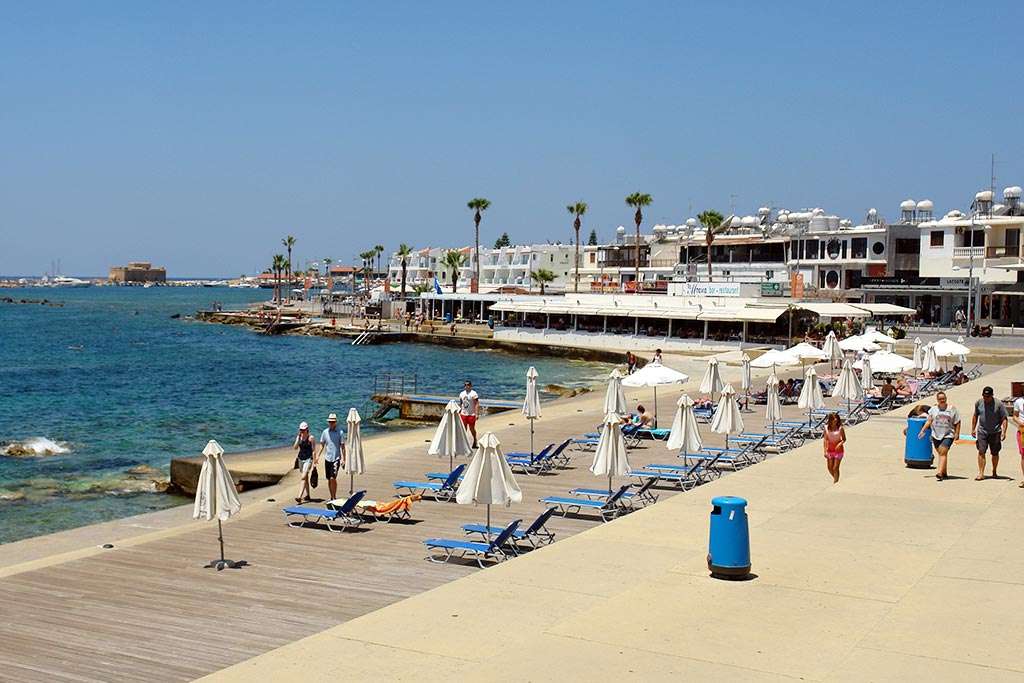
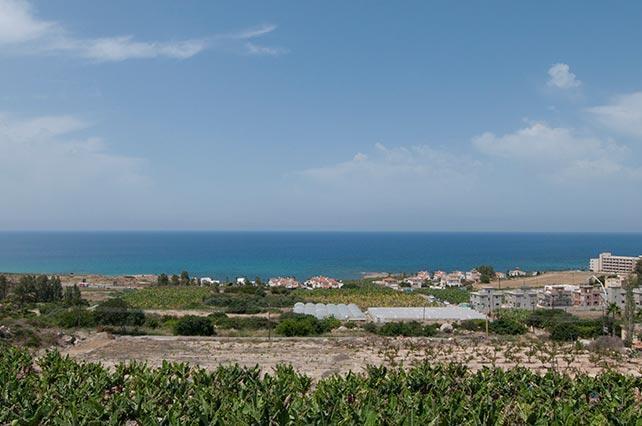
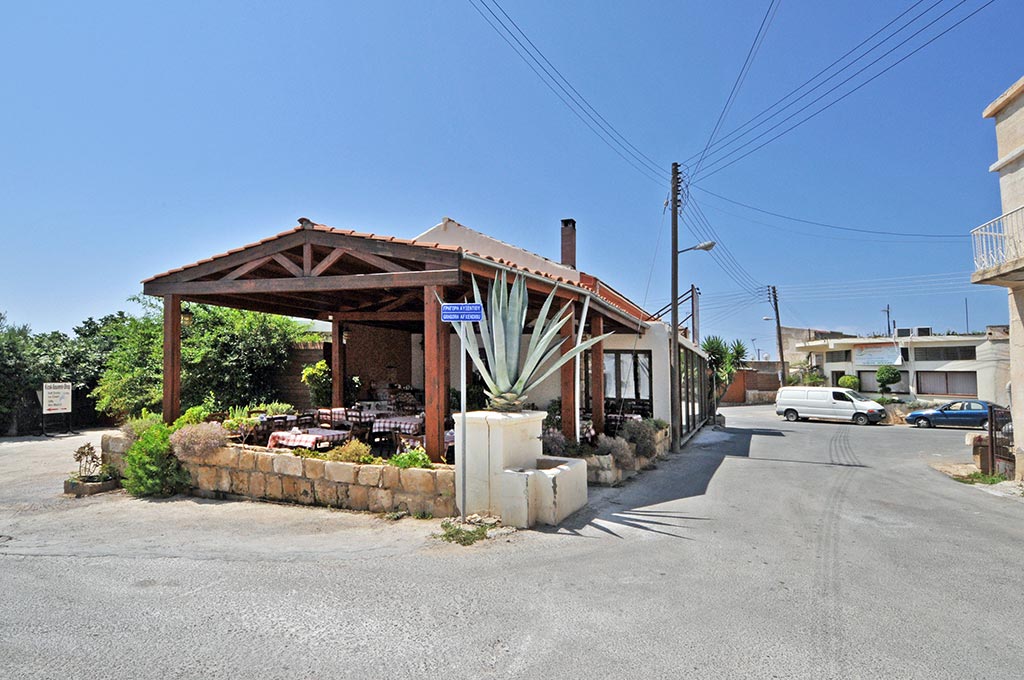
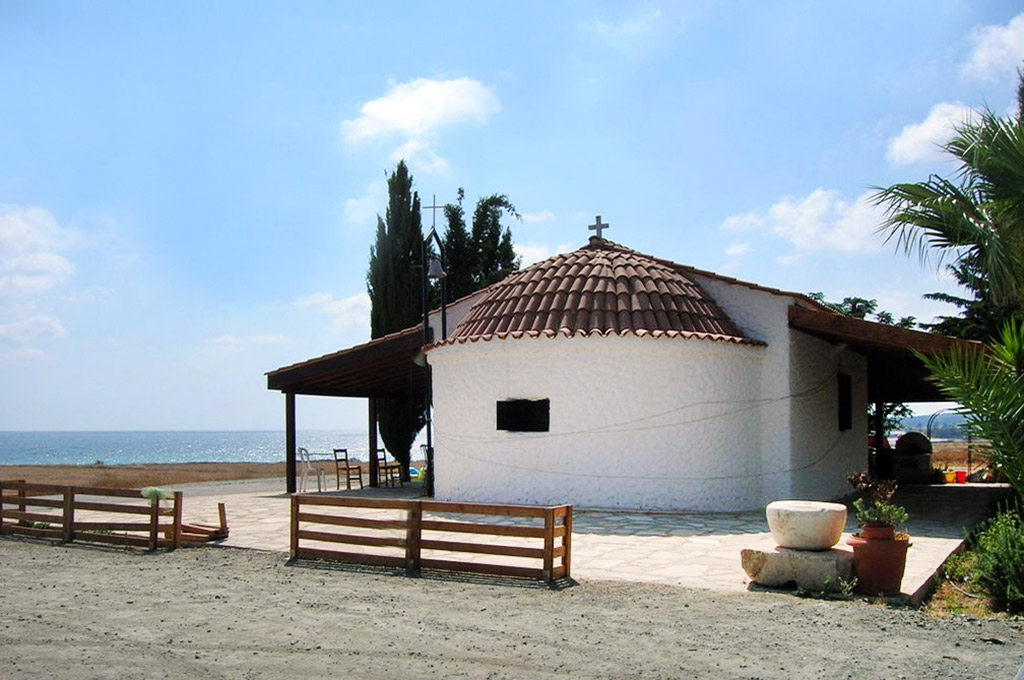
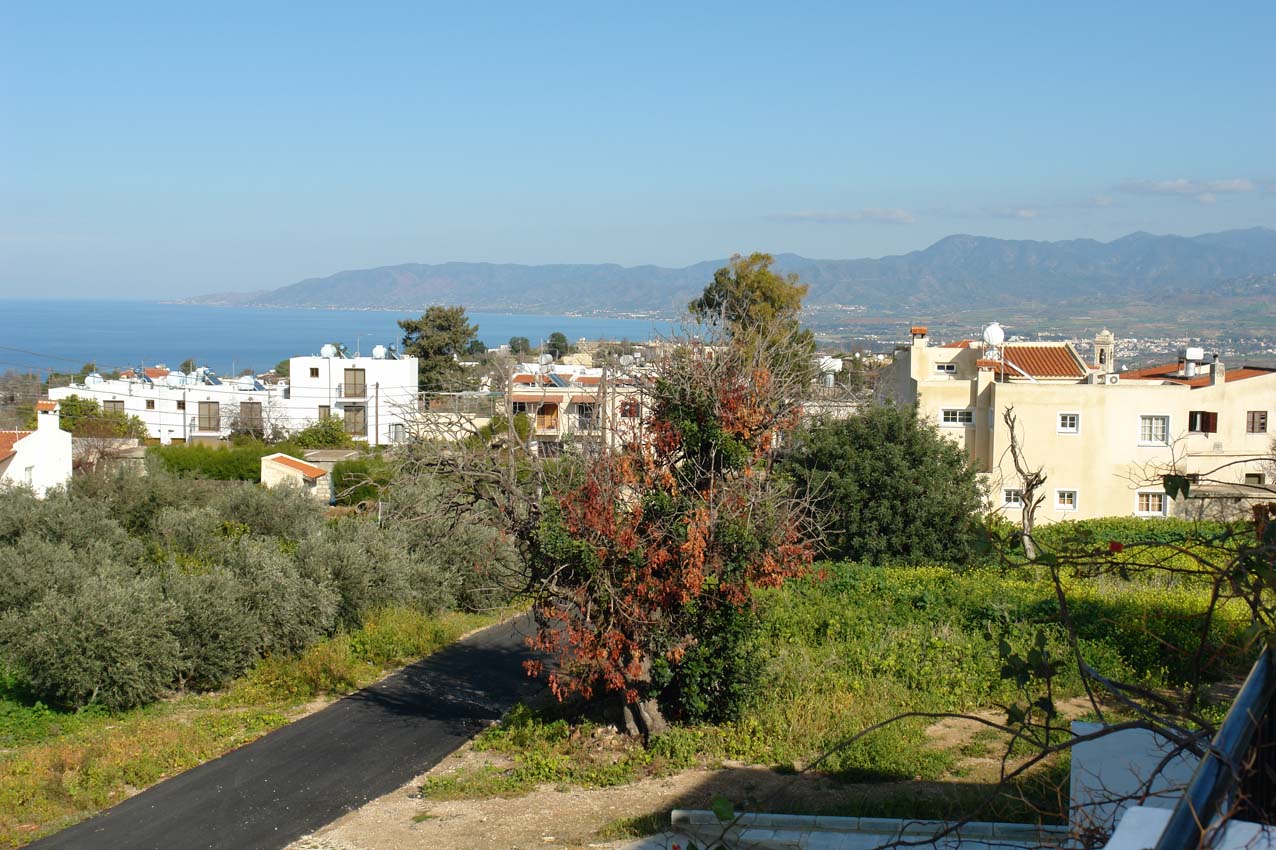
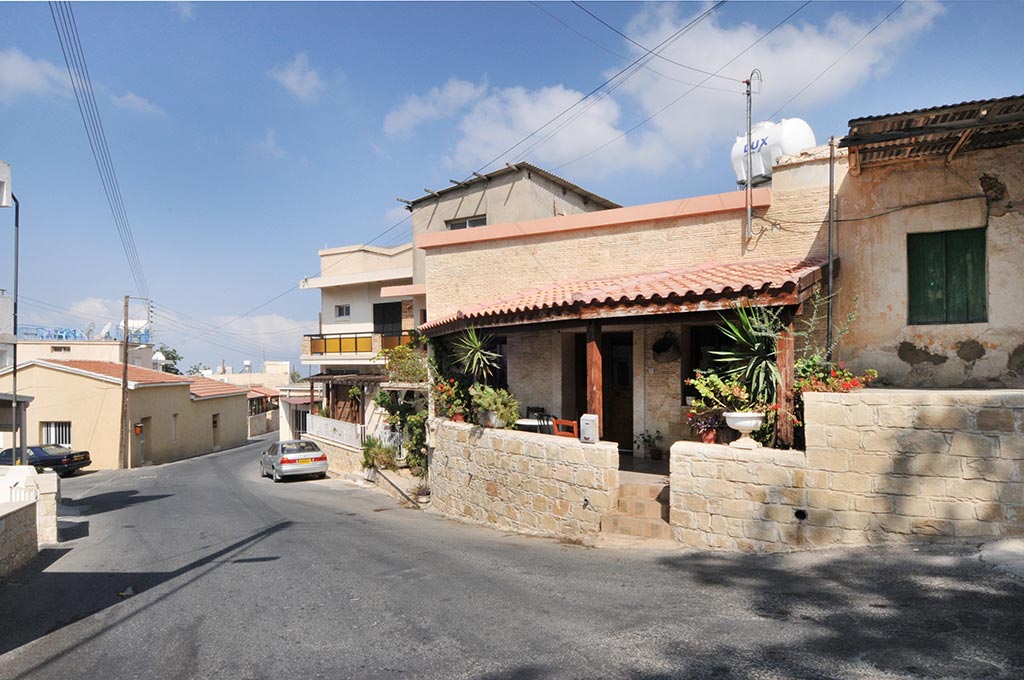
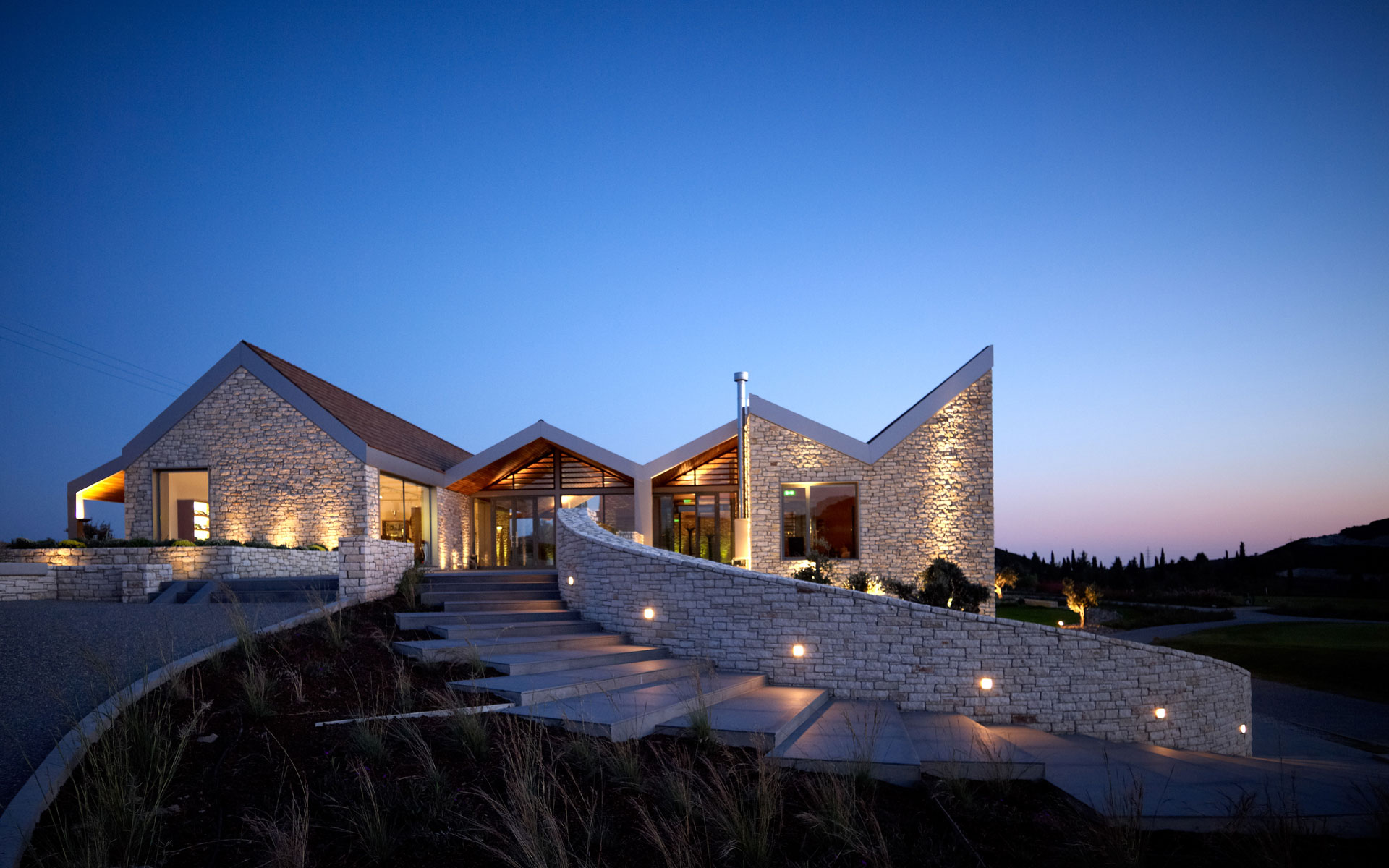
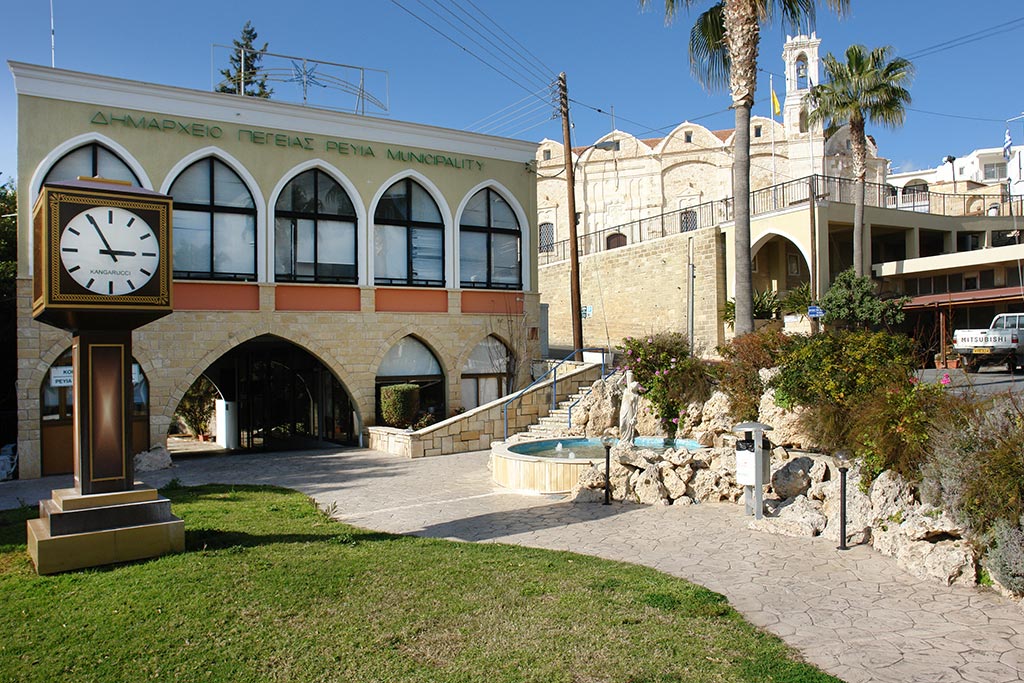
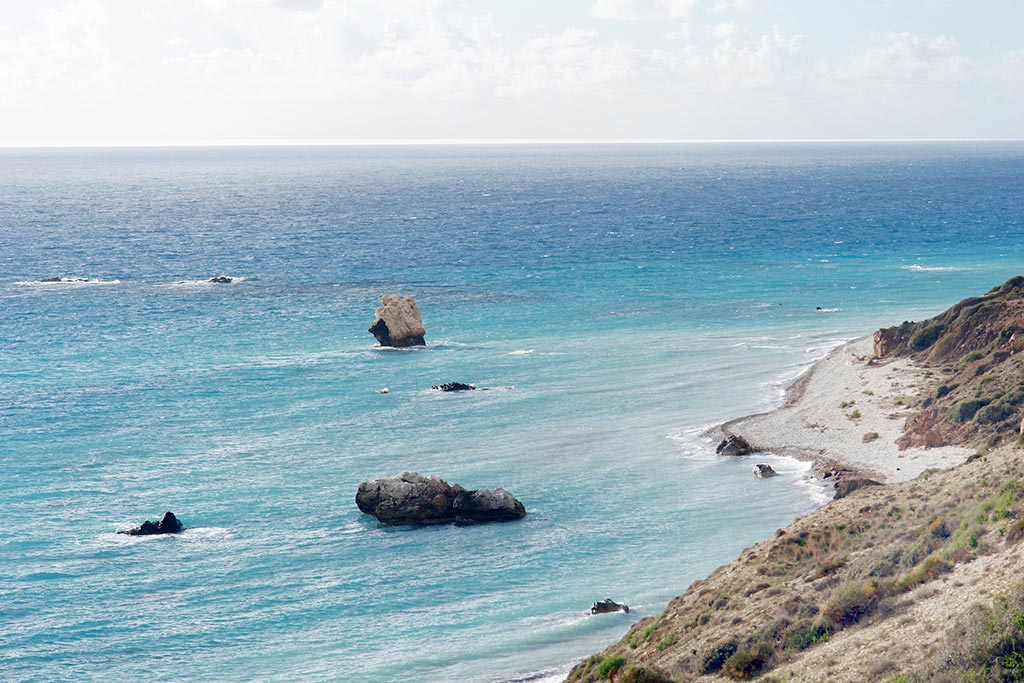
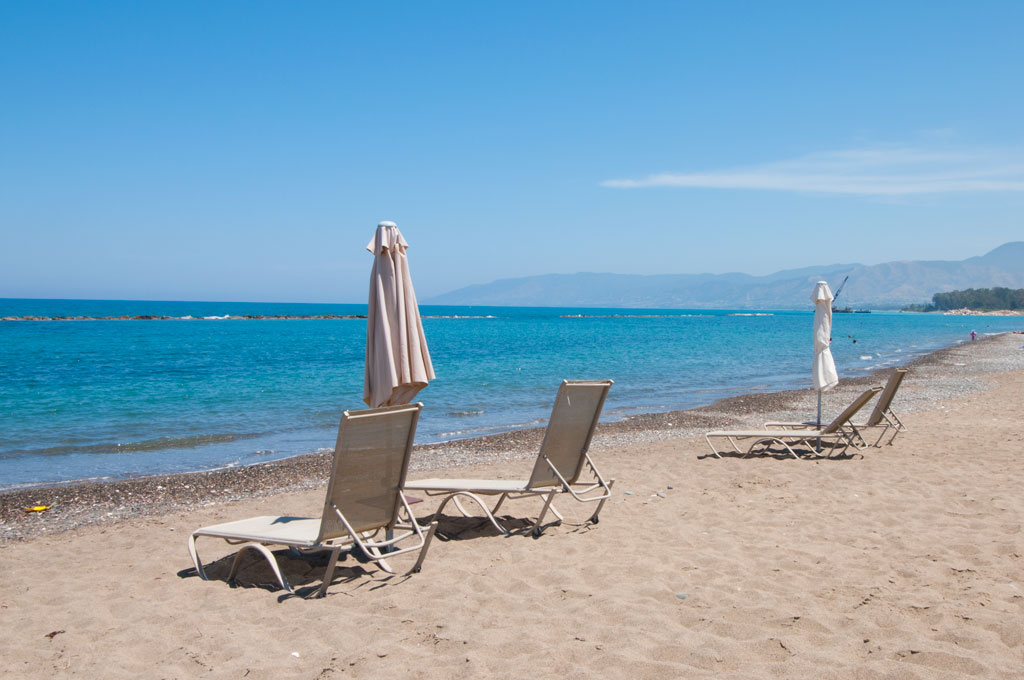
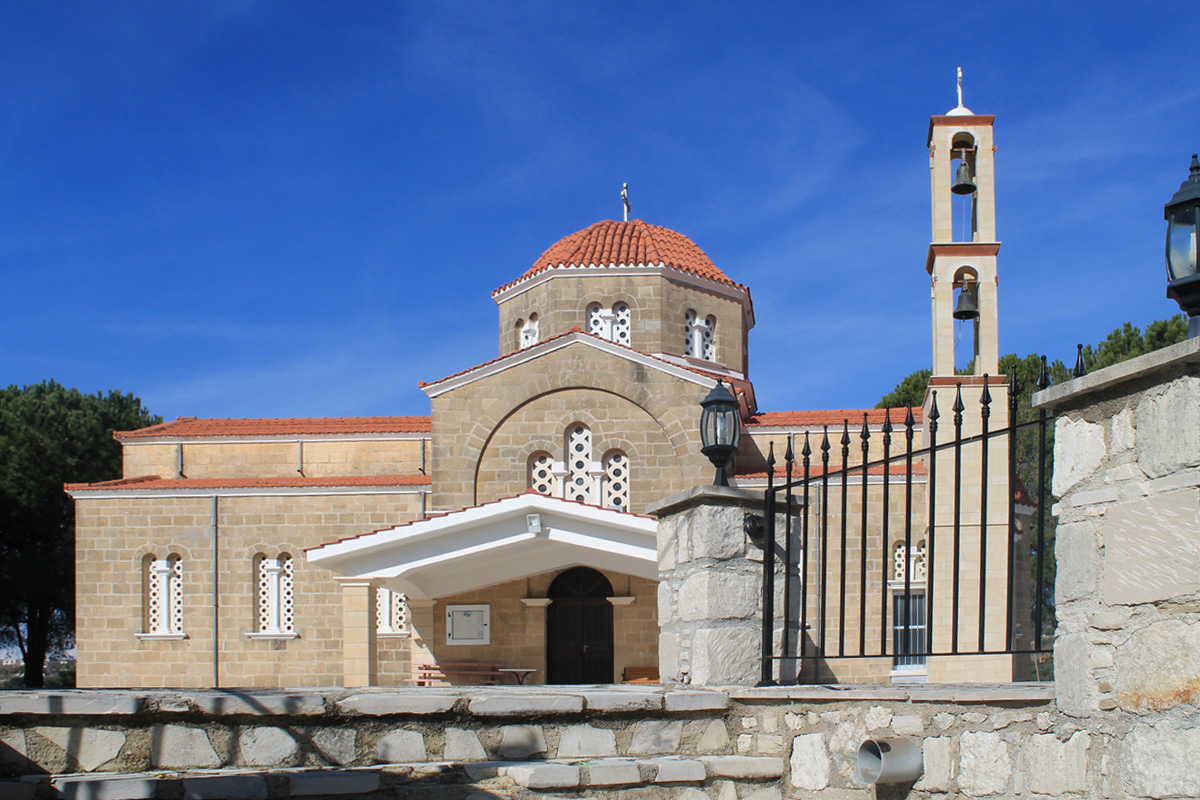
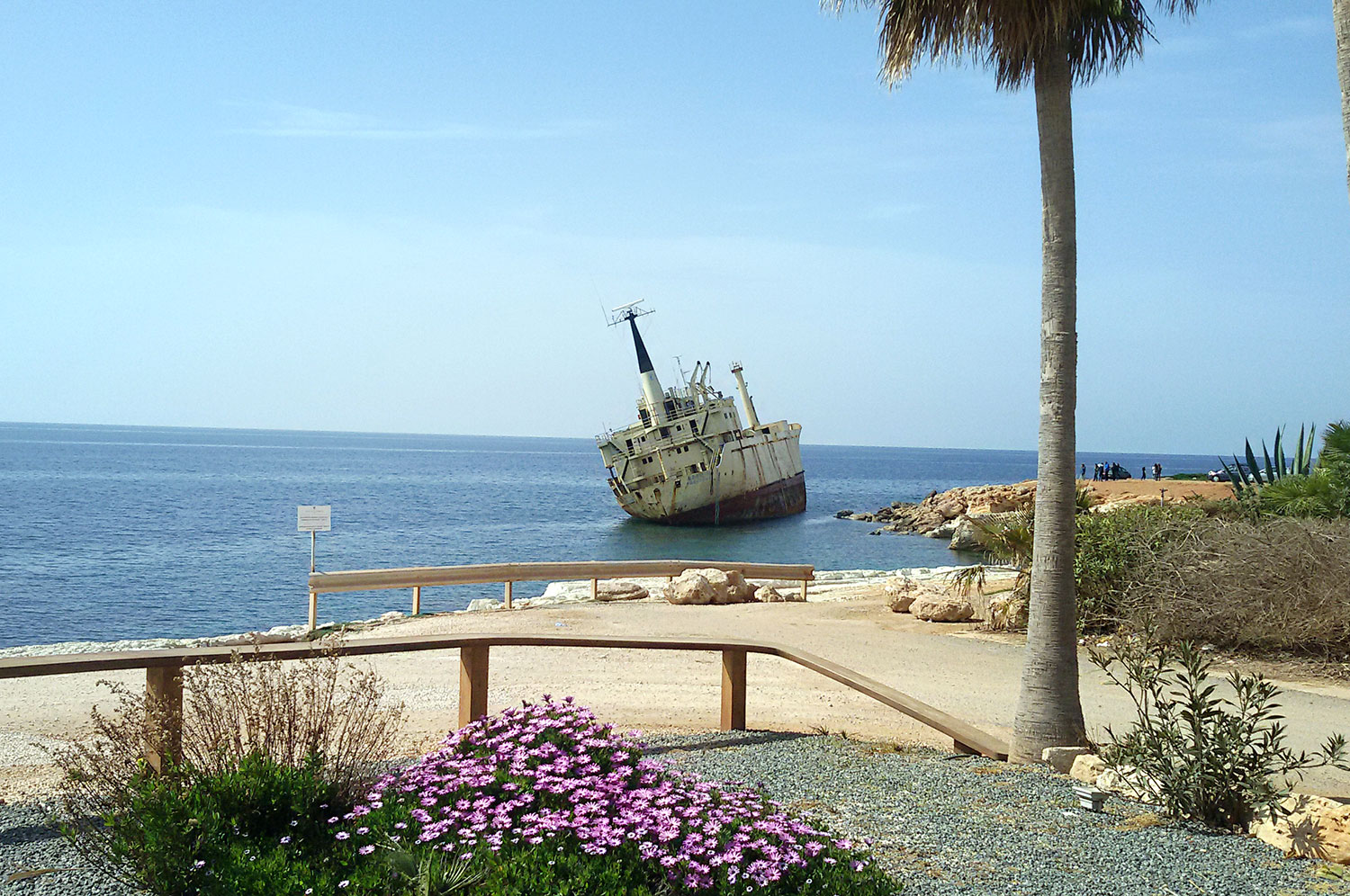
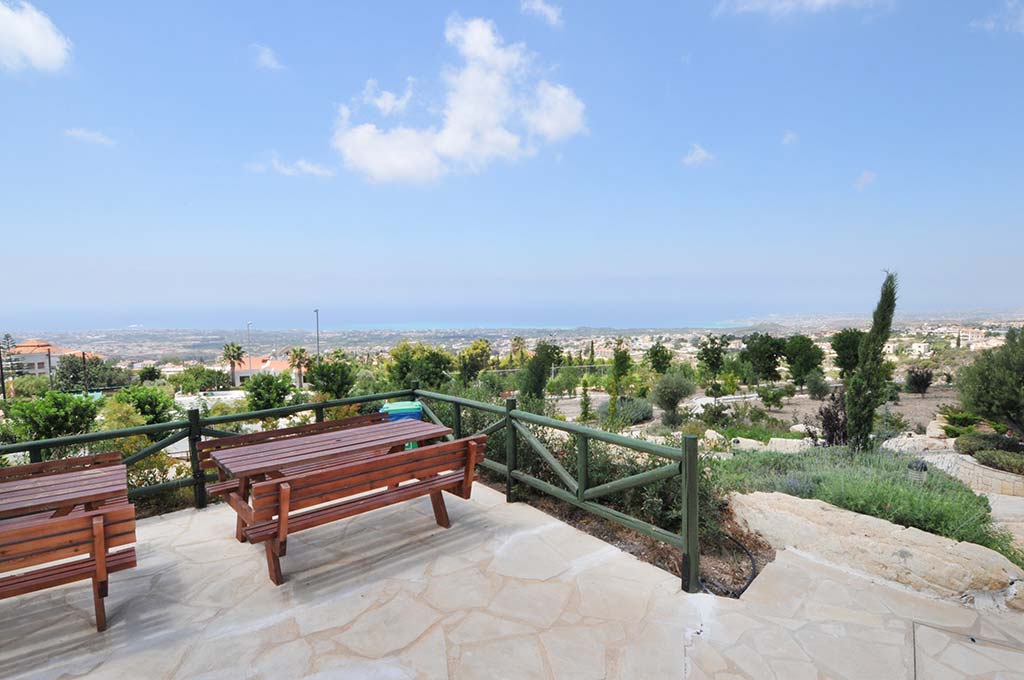
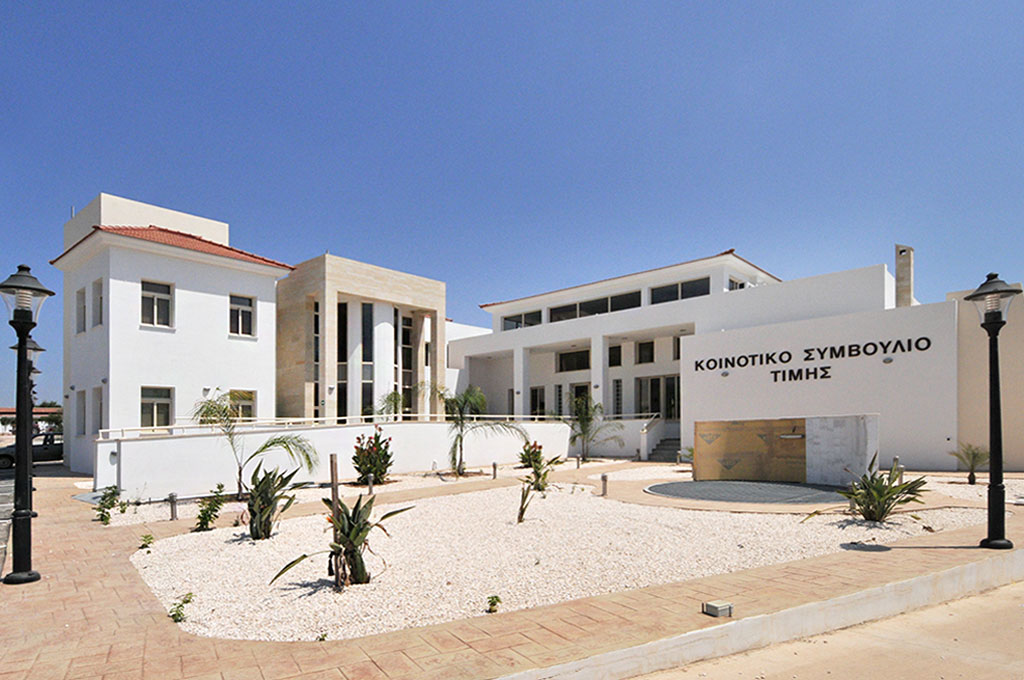
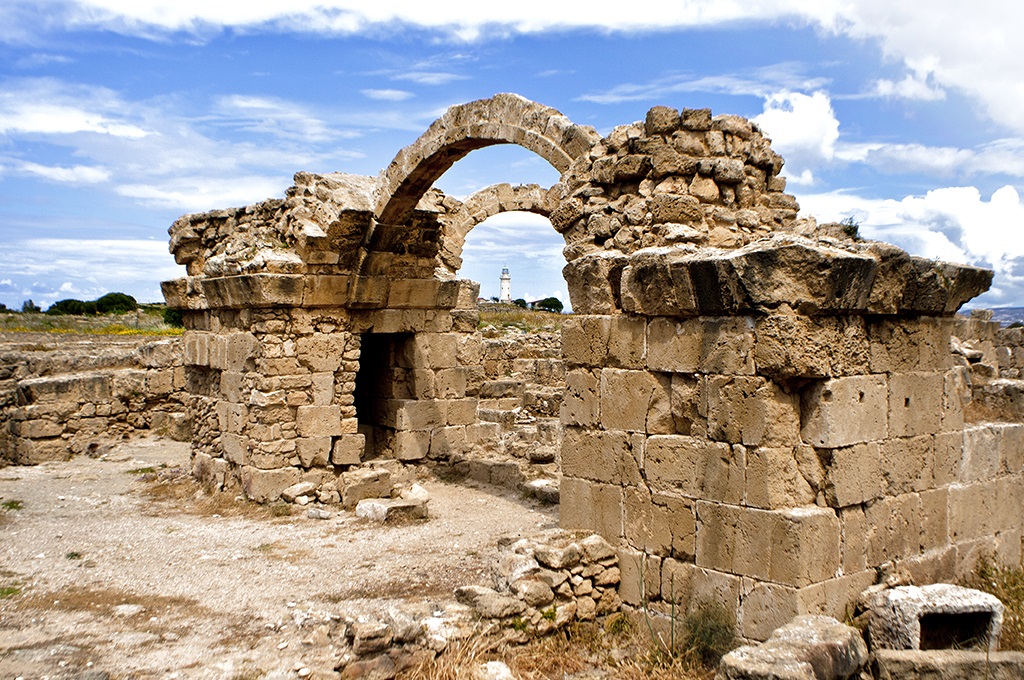
Cyprus Villages
Fitzgerald’s on VIVAFM
Fitzgerald’s are on VIVAFM radio every day and
Daryl is “live” on Thursdays 8.45am-9.30am
Welcome to Fitzgerald’s luxury prestige villas in Paphos and Limassol areas – showcasing safe and secure luxury property investments for sale: beautiful photography, advantage of prime locations, ready Title Deeds, fully outfitted and often fully furnished and with all facilities checked!
Wherever you are from in the world Fitzgerald’s can assist you in buying your ideal home from our wide selection of perfect properties in Cyprus.
Latest Cyprus News
NEWSLETTER APRIL 2024 – FITZGERALDS CLIENTS SPEAK VOLUMES
Welcome to the April edition of the Fitzgerald Estates newsletter. If you're thinking of marketing your Cyprus property then look no further than Fitzgerald Estates! Over the past [...]
Limassol Gallery Welcomes Calls and Songs
Eins gallery in Limassol will welcome Cypriot artist-photographer Stelios Kallinikou to host his second solo show at the gallery. Titled Calls and Songs, the exhibition opens on Friday [...]
New Exhibitions Open Around Cyprus
Here to showcase the island’s artistic practices and inspirations is a new wave of art exhibitions that open around Cyprus in April. Inviting art connoisseurs and enthusiasts first [...]
Explore Cyprus
Experience the Mediterranean sea and sunsets
while you play golf, visit archaeological treasures and witness
thousand years of recorded history…
Read more about Cyprus or Contact Us 

Cyprus Property Boutique – Exceptional properties in Cyprus providing you with a luxury escape in your new Mediterranean home!

Property Auctions – A great way to pick up a bargain property. Auctioned properties are privately owned and you can make large savings.

Benefits of Selling Your Property with Fitzgerald’s
1. Consistently achieving 90% Selling Rate within 10 Months
2. About 70 Properties on our books to ensure Effective Management and Maximum Exposure
3. All Local and International Marketing is Free. No Up-Front Costs to Seller. No Sale No Fee
4. Page 1 Search Engine Ranking on Google For Paphos and Cyprus Property
5. World Class High Traffic Web Site. Stunning Bespoke Photography & Presentation of Your Property
6. Google Maps Showing Exact Location of Your Property
7. All Properties on Rightmove UK. Personalised Intensive International Marketing and Advertising
8. Rotating Social Media Promotions. Social Media and Fitzgerald’s Database Alerts and Updates
9. Illustrated Monthly Newsletter Featured Property in English & Russian
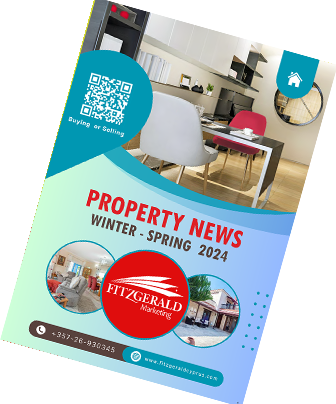
10. Quarterly Distribution of Illustrated Fitzgerald’s Property Magazine also Available On-Line
11. Selling Fee – 5% plus VAT Based on Selling Price. Sole Agency for 10 Months
12. Sellers Feedback on All Viewings/Statistics / Web Performance DataServing the Cyprus real estate market since 2002, we specialize in selling properties in Paphos and Limassol. As dedicated real estate specialists, we leverage our excellent reputation and strategic marketing approach to ensure the successful marketing and sale of your property, ultimately maximizing your profit. Trust our experienced team to navigate the intricacies of selling property in Cyprus, providing you with a seamless and profitable real estate transaction. Your success is our priority, and our proven track record speaks for itself.
Should you have a property to sell, no matter what the size, please contact us with a copy of your Title Deeds,
Stamped Sales Agreement and Floor plans to arrange your FREE consultation and realistic and generous valuation
of your property. Fitzgerald’s are open each week day from 8.45am to 5.30pm
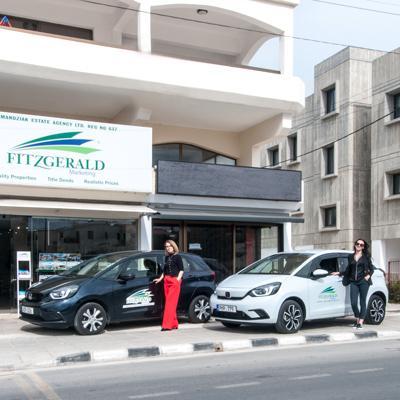
at 74 Apostols Pavlos Avenue on the road going from Kings Mall to Paphos Harbour, 300 metres on the right.
EMAIL: contact@fitzgeraldcyprus.com
TEL: 00357 26930345 / 70008877